
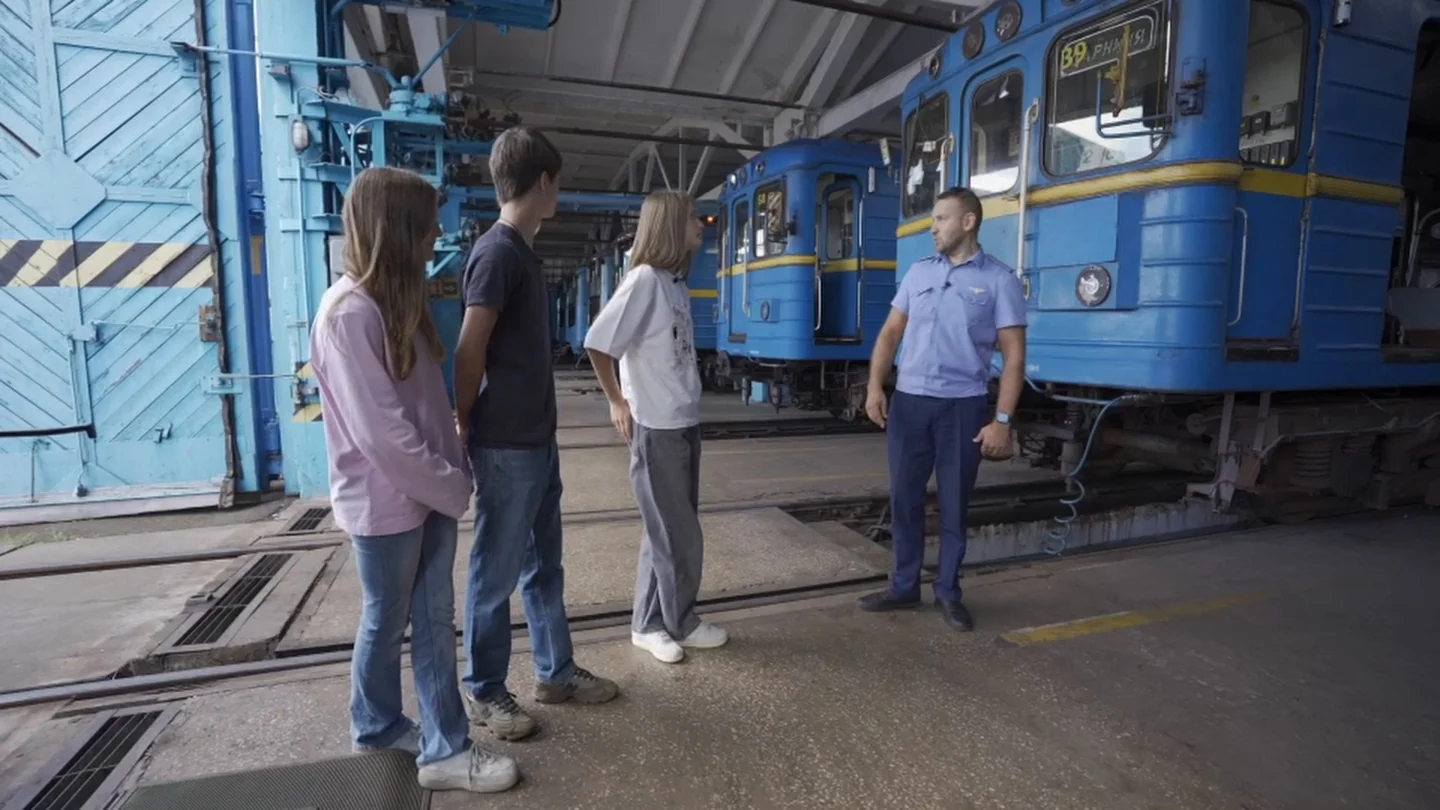
Why we went to the depot
Passengers usually see little of a driver’s work beyond the closed cab door. We wanted to ask the questions that make a career more tangible: what do you need to learn, what does a working day involve and which conditions should you be ready for? This was a RealSkills career exploration recording with special access permission, not a train-driving lesson.
Beside the train
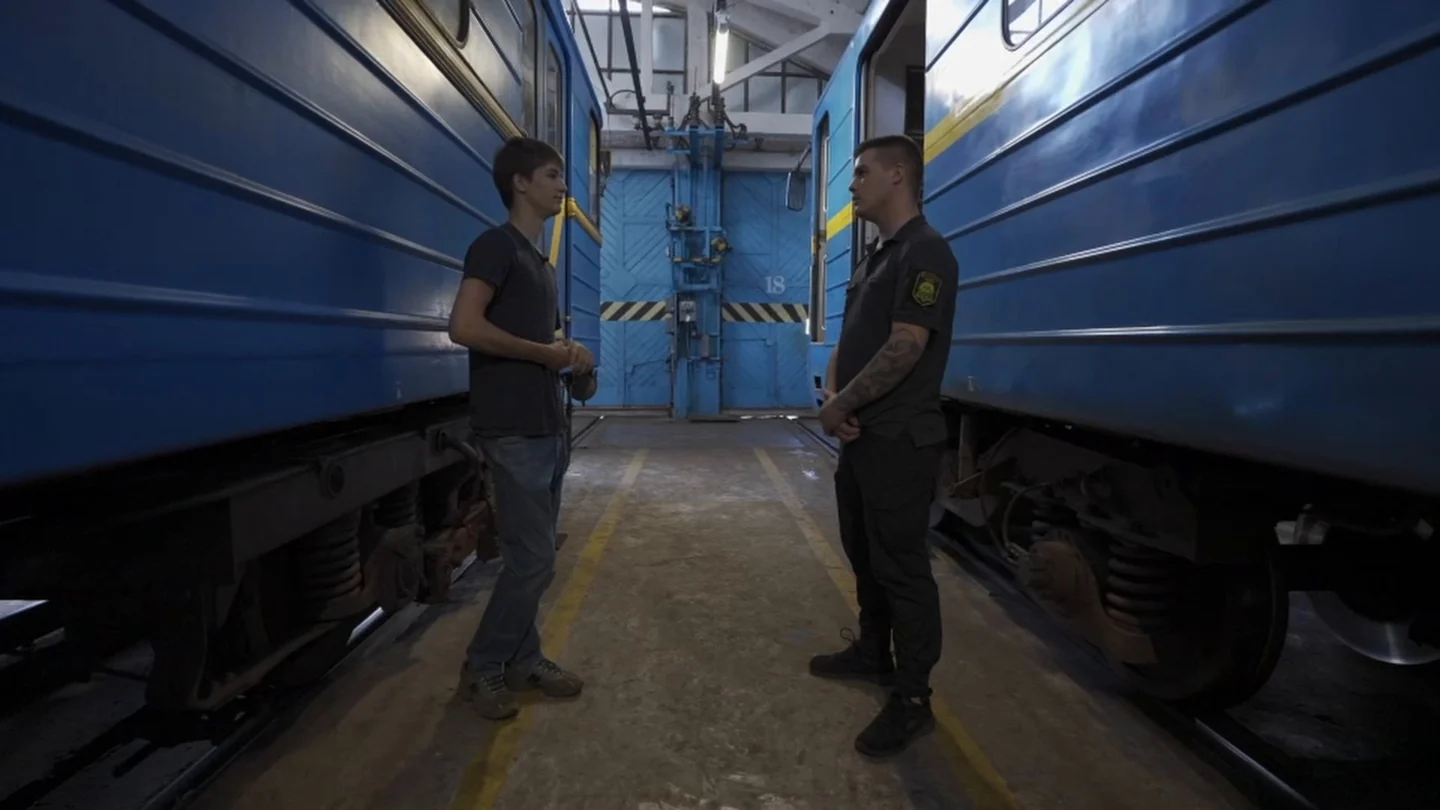
The visit began in the depot. Our interviewees discussed preparation for the profession and the role of maintenance in keeping trains running. The teenagers asked about the train itself, inspections and repairs. The conversation made an important distinction: operating a train involves many professionals, and the duties of a driver are different from those of maintenance staff.
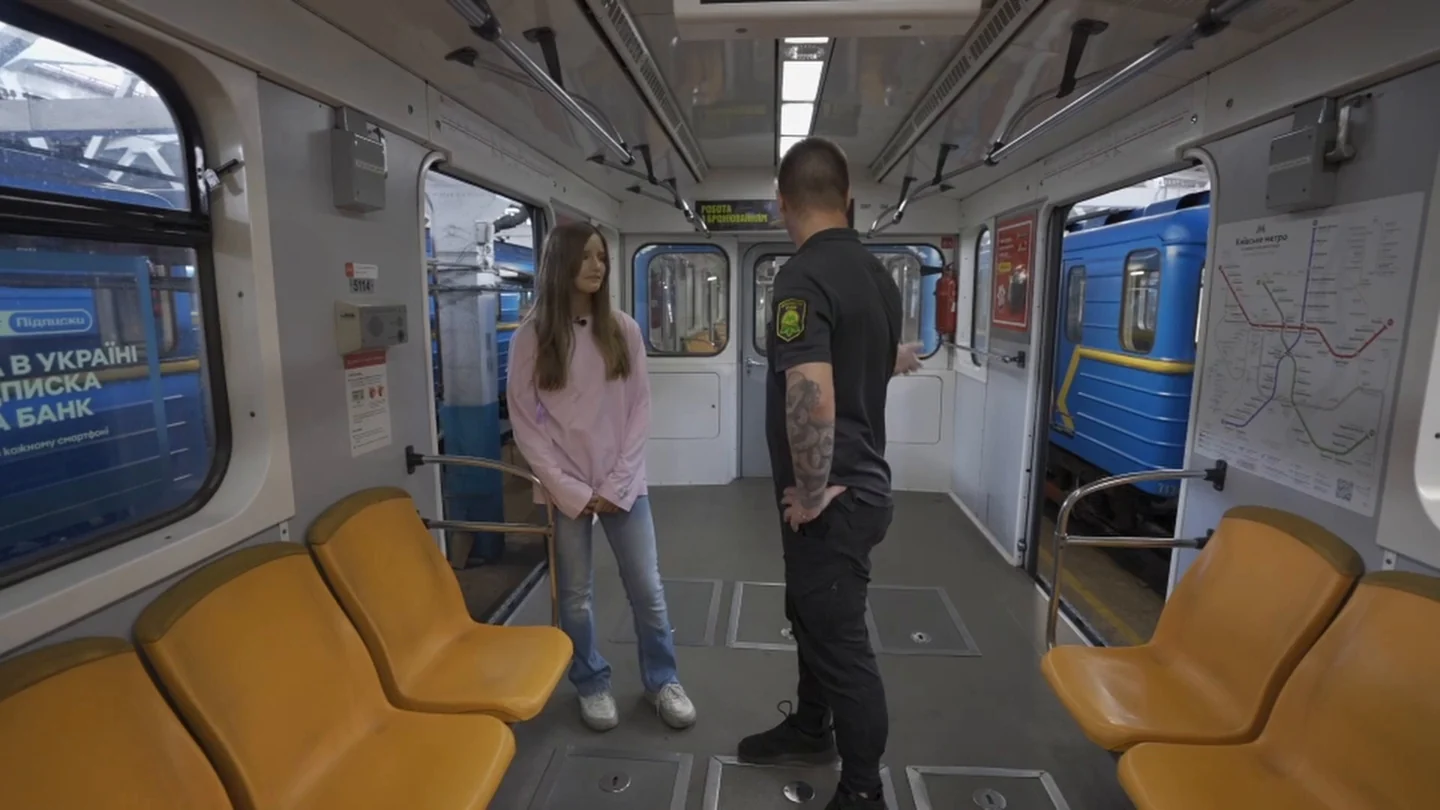
The carriage: paying attention to passengers
Inside the passenger carriage, the discussion moved from machinery to people. Questions covered communication with the driver, reports of a passenger feeling unwell or a technical problem, and coordination between staff. This revealed the communication side of the job: recognising a problem is only part of the task; information also needs to reach the people who can respond.
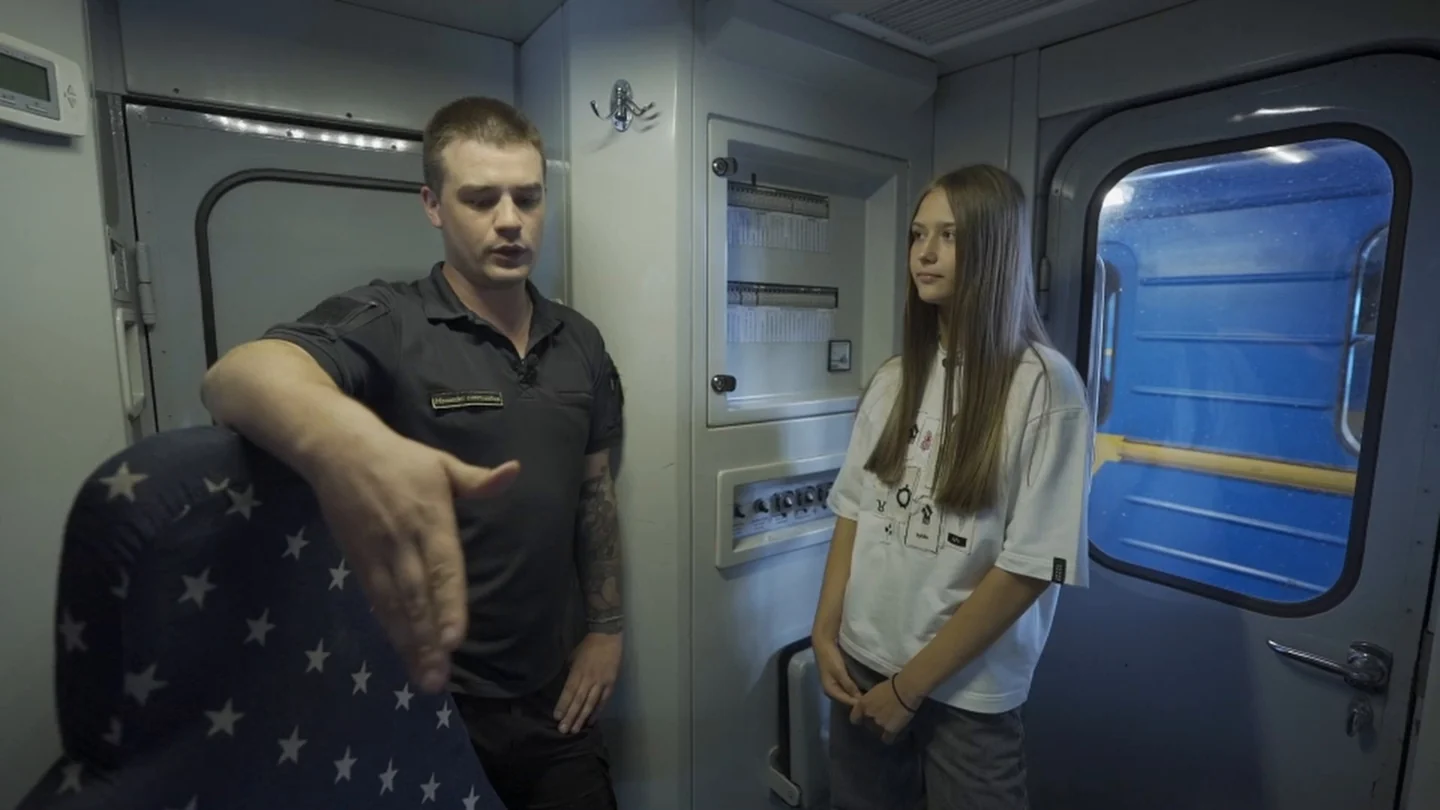
The cab: concentration and responsibility
In the cab, a driver explained his work and talked with a RealSkills participant about the profession. The conversation covered knowledge, attention, changing shifts, early starts and responsibility for passengers. Asking what he valued about the job added another dimension to the technical discussion: contributing to the life of the city.
Questions to take away
An interest in trains is a useful starting point. More specific questions follow: am I comfortable with clear rules, repeated checks, continued learning and work outside a conventional daytime schedule? One visit cannot assess occupational suitability. It can help turn a general impression into a more informed conversation.
A small step to try
- Think of a job you usually encounter only as a customer. Write down three tasks that may remain out of sight.
- Organise your questions for a professional into training, everyday duties and working conditions.
- After the conversation, note what interested you, what surprised you and what you still need to find out.